
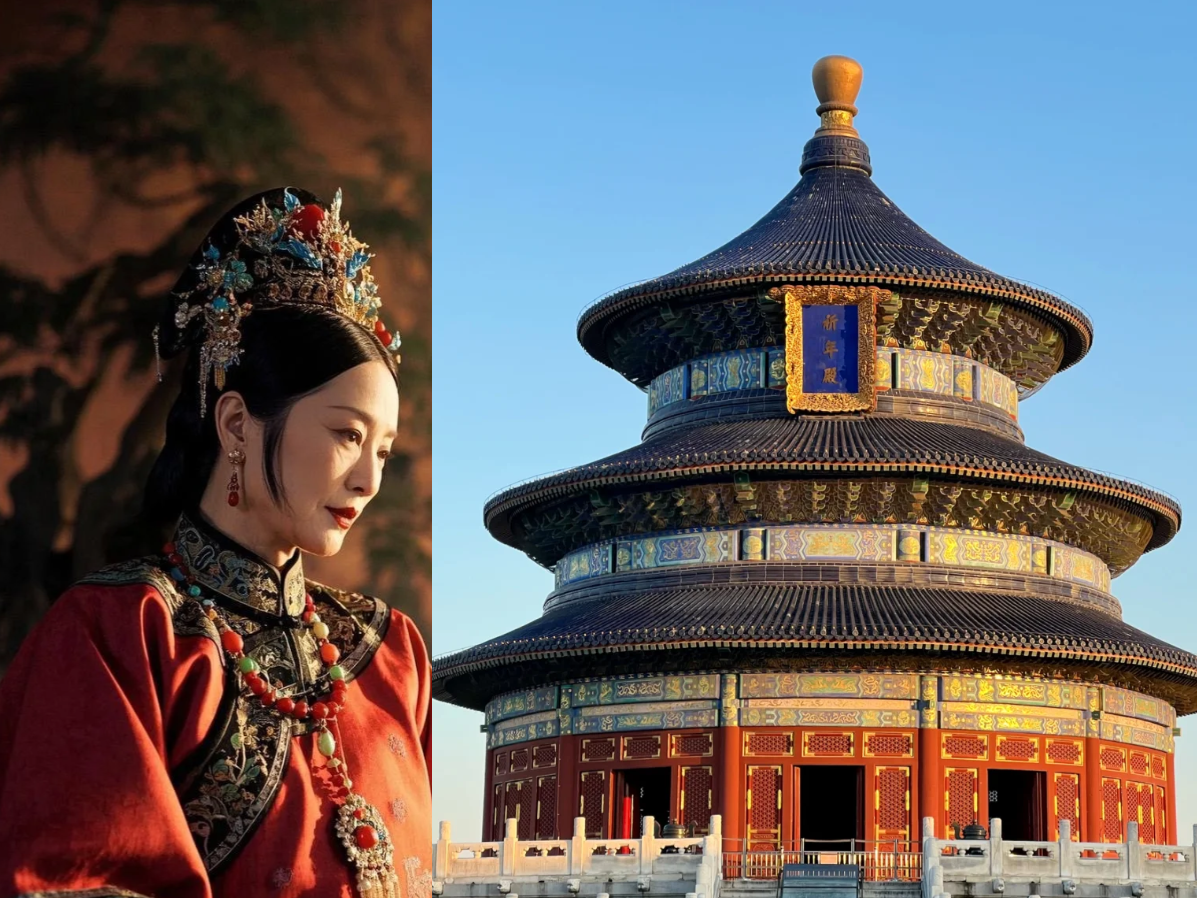
Who Could Wear Southern Red Agate (Nanhong) in Ancient Chinese Courts?
In the imperial courts of ancient China, especially during the Ming and Qing dynasties, Southern Red Agate (Nanhong, historically called Yongchang agate or red chalcedony) was classified as a noble and ritual gemstone. Its wearing was strictly restricted by rank, and only high‑ranking nobles and senior officials were permitted to use it.
1. Social Status and Eligible Groups
According to historical records and court regulations,
only the following figures were allowed to wear or use Nanhong agate:
Emperors, empresses, and imperial concubines
Imperial clans: princes, dukes, and senior nobles
Civil officials of Rank 4 and above
Military officials of Rank 3 and above
High-ranking religious leaders honored by the court
Ordinary scholars, commoners, and low-ranking officers were strictly forbidden from wearing Nanhong accessories, especially court beads (chaozhu) and waist ornaments.
2. Historical Sources and Documentation
(1) Da Qing Hui Dian (Collected Statutes of the Qing Dynasty)
The Qing legal code explicitly regulated the materials of court beads:
“Court beads shall be worn by officials above designated ranks.
Materials include coral, southern red agate, amber, and beeswax,
in accordance with one’s official rank.”
This confirms that Nanhong agate was a legally recognized high‑rank ritual gem.
(2) Record of Yongchang Prefecture (清代《永昌府志》)
It records:
“Agate is produced in Baoshan. The red variety is the finest.
The mines were long closed under imperial order.”
Nanhong from Baoshan (ancient Yongchang) was a tribute to the imperial palace,
and private mining and trading were prohibited.
(3) Tiangong Kaiwu by Song Yingxing (Ming Dynasty)
The great technical encyclopedia states:
“Among agates produced in China, those from Yunnan are the finest.
The red ones from Yongchang are the most precious.”
This established Nanhong as the top grade of agate, reserved for nobility.
(4) Palace Archives and Archaeological Findings
In the Ming Dynasty Dingling Mausoleum (tomb of Emperor Wanli),
carved Nanhong agate waist ornaments were unearthed, proving imperial use.
The Palace Museum in Beijing preserves many Qing-dynasty
Nanhong snuff bottles, cups, and court beads used by the emperor and high officials.
Leave your comment
Note: HTML is not translated!